USE CASE Last mile mobility

Last-Mile Mobility for Workplaces, Cities, and Services

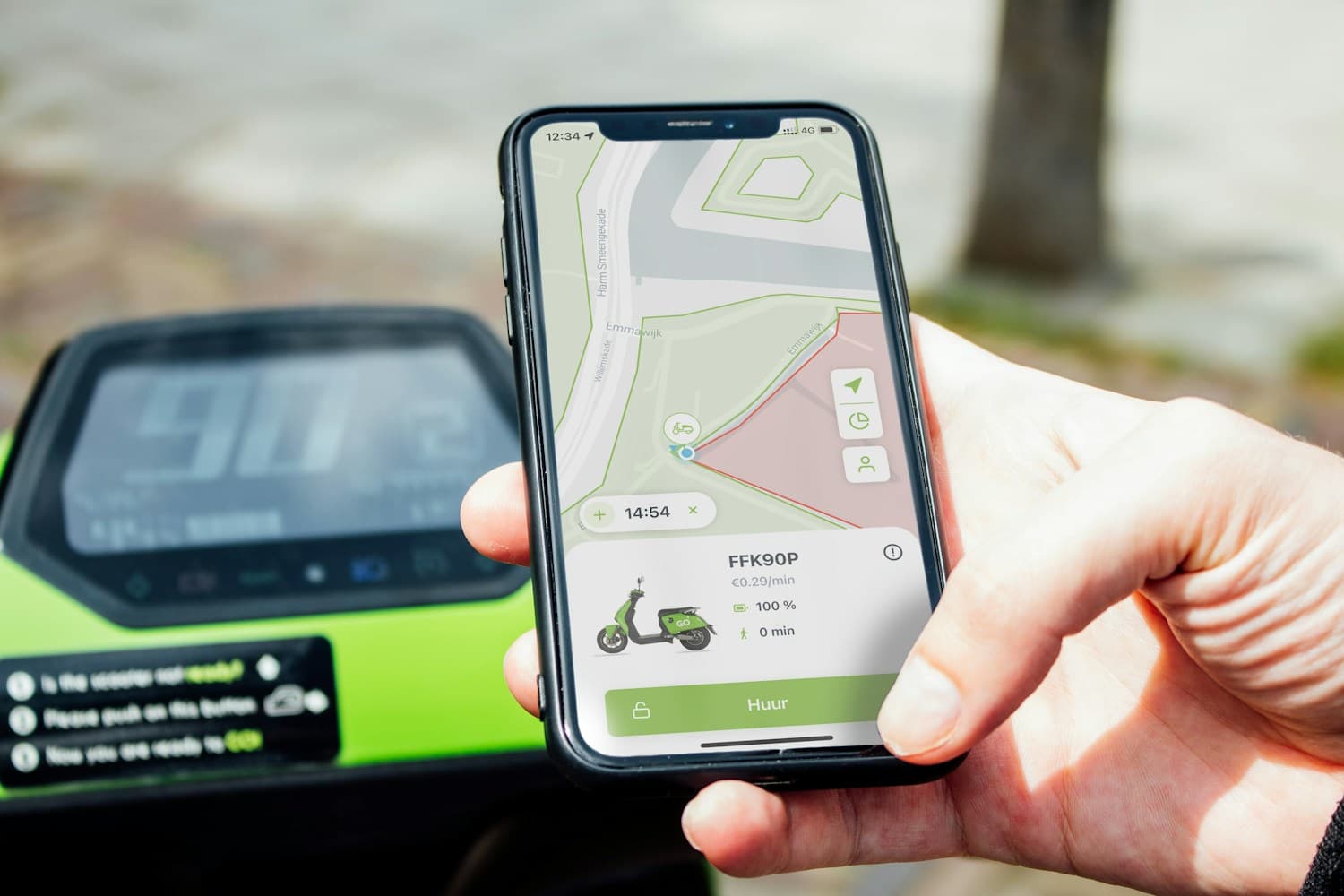
Last-mile mobility helps people move quickly between transport hubs, workplaces, campuses, and destinations where cars are inefficient. Movium brings visibility, control, and structure to these short trips across shared, corporate, and public fleets.
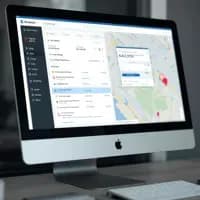
Bike sharing software dashboard hero image
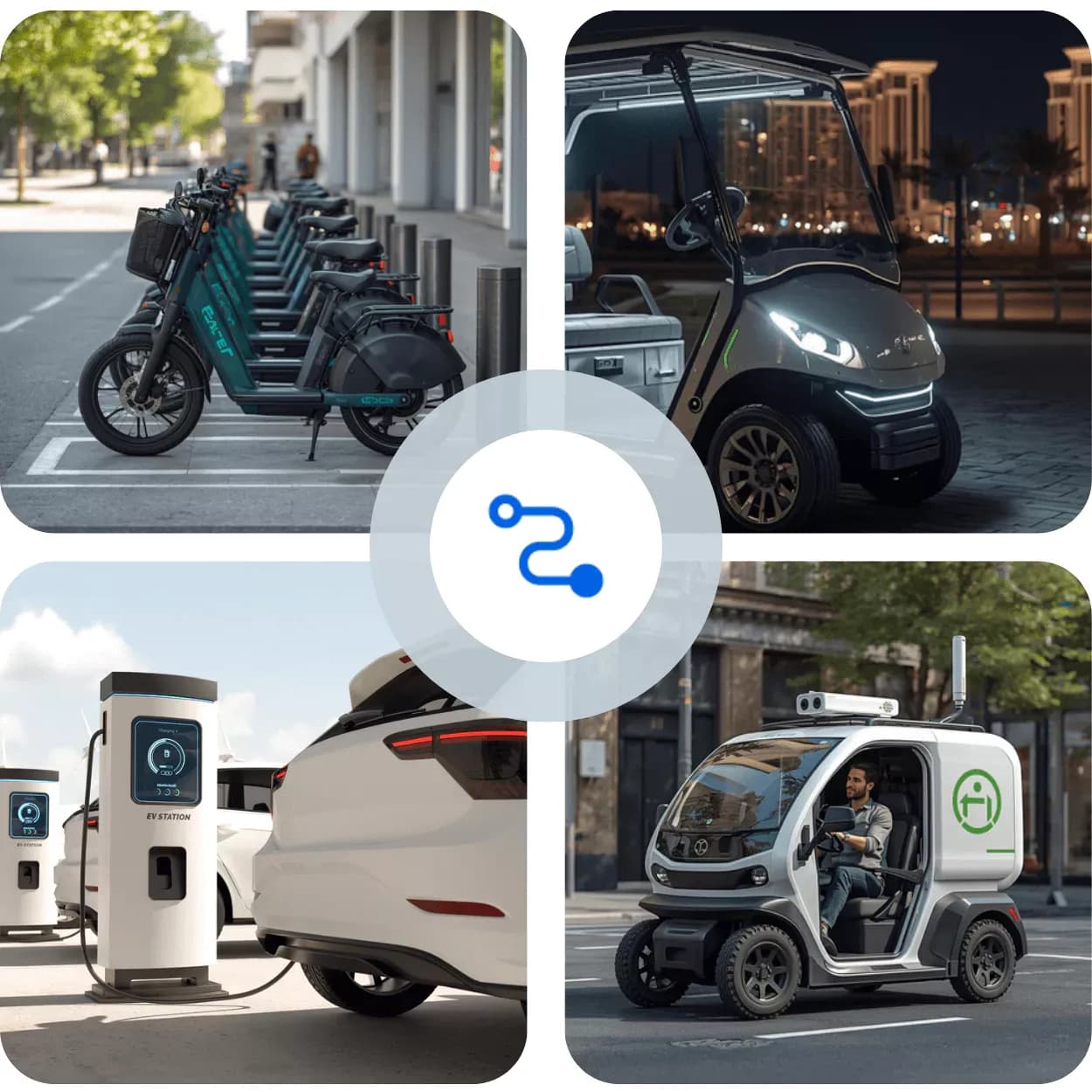
One approach, many scenarios

Last-Mile Mobility
Mapped to Real Needs

Last-mile mobility enables organizations to replace inefficient short trips with structured, shared transport. By using light electric vehicles, operators can reduce costs, increase asset usage, and offer a better experience for employees, customers, and citizens across multiple environments.

Public & Urban Micromobility

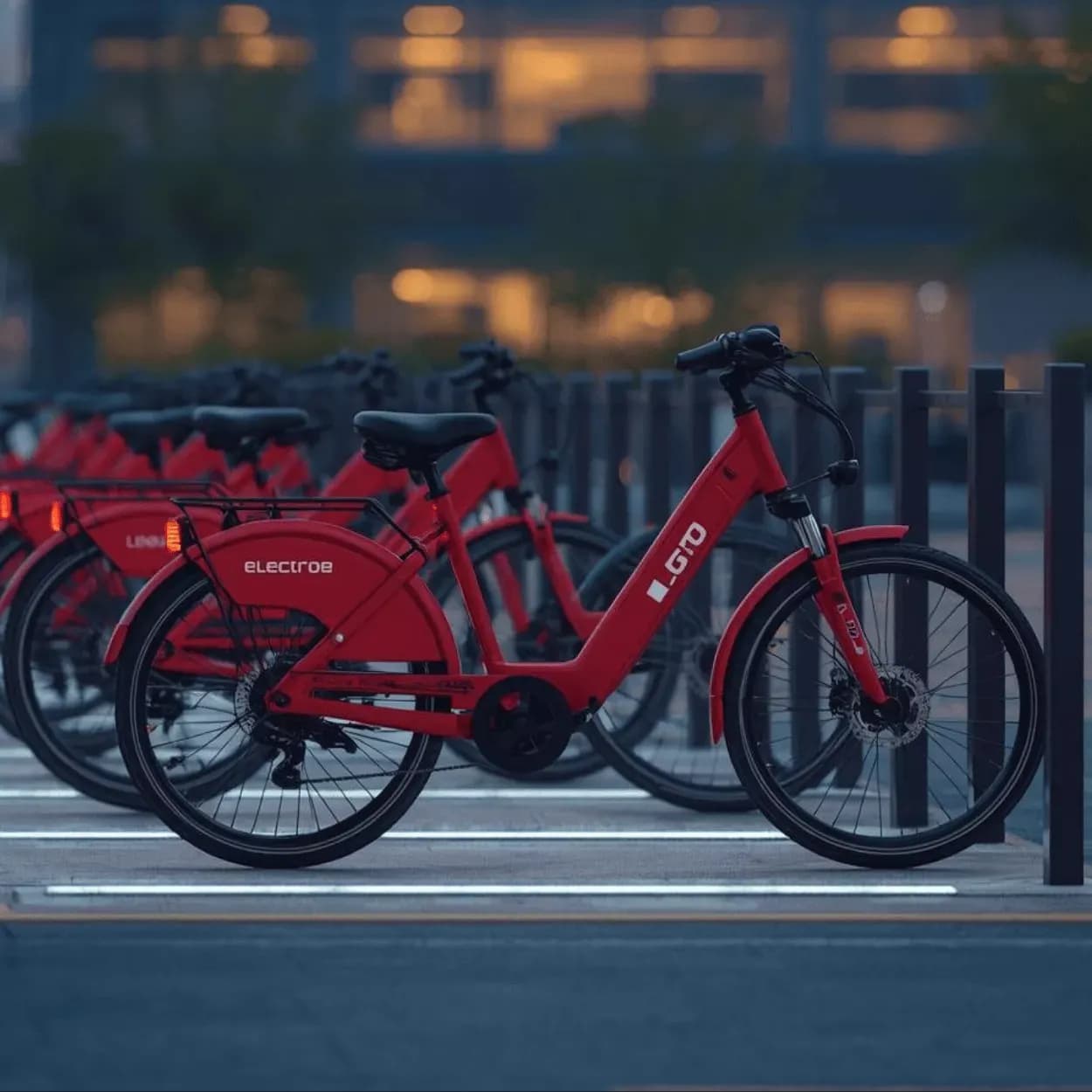
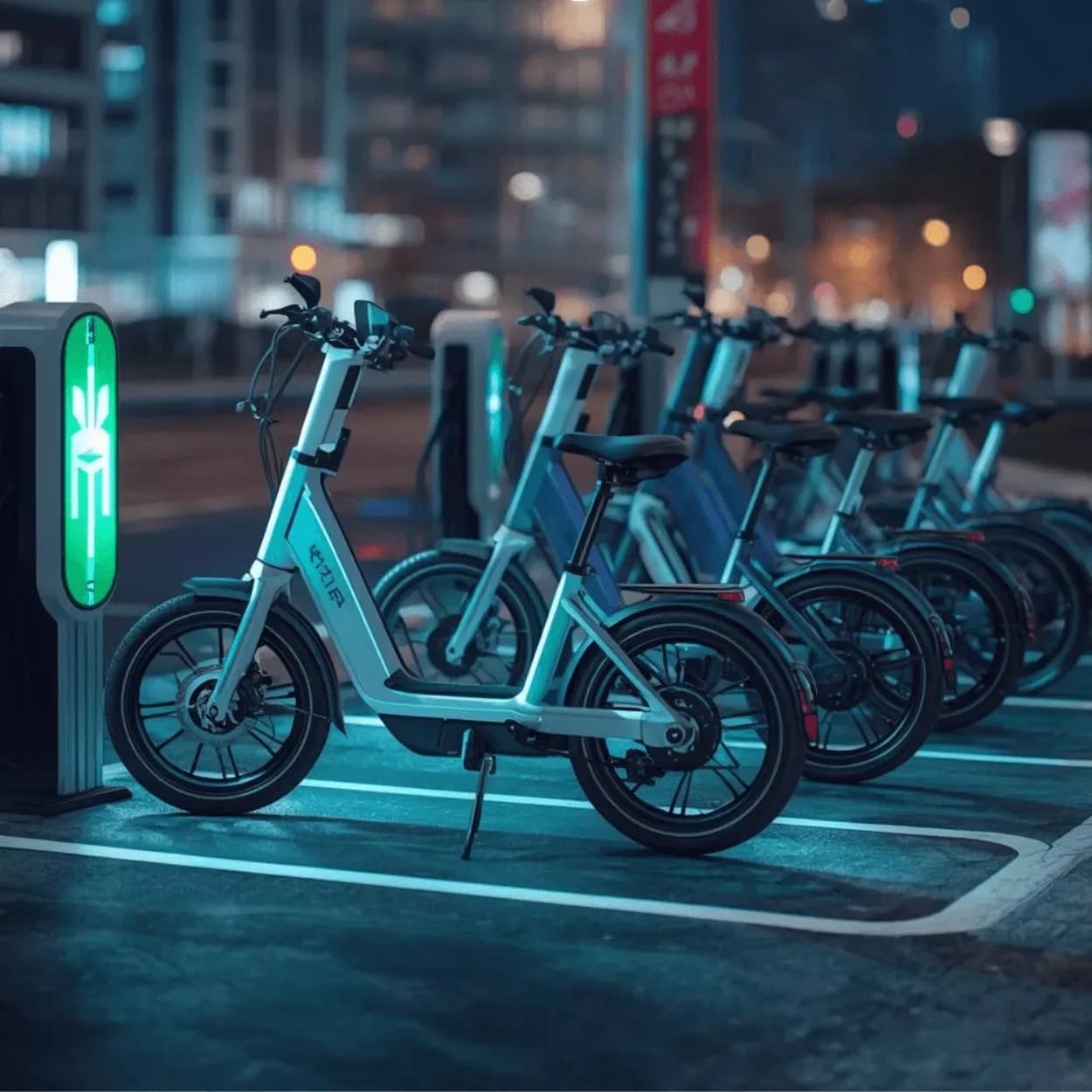
Provide short-distance transport that connects public transit with final destinations. Shared e-bikes and scooters reduce congestion, support daily travel, and keep city mobility structured and predictable.
imageCities and municipalities
imageTransport hubs
imageResidential districts

Corporate & Campus Mobility

Enable employees to move quickly between offices, parking areas, and facilities.
imageBusiness parks
imageIndustrial campuses
imageOffice clusters

Field Service & Operations

Support technicians and service teams with fast, short-distance transport for daily tasks.
imageUtilities and telecom
imageMaintenance teams
imageMunicipal services

Hospitality & Visitor Mobility

Help guests and staff move comfortably across large properties. Shared vehicles improve accessibility.
imageHotels and resorts
imageShopping centers
imageHoliday parks and venues

Logistics & Local Delivery

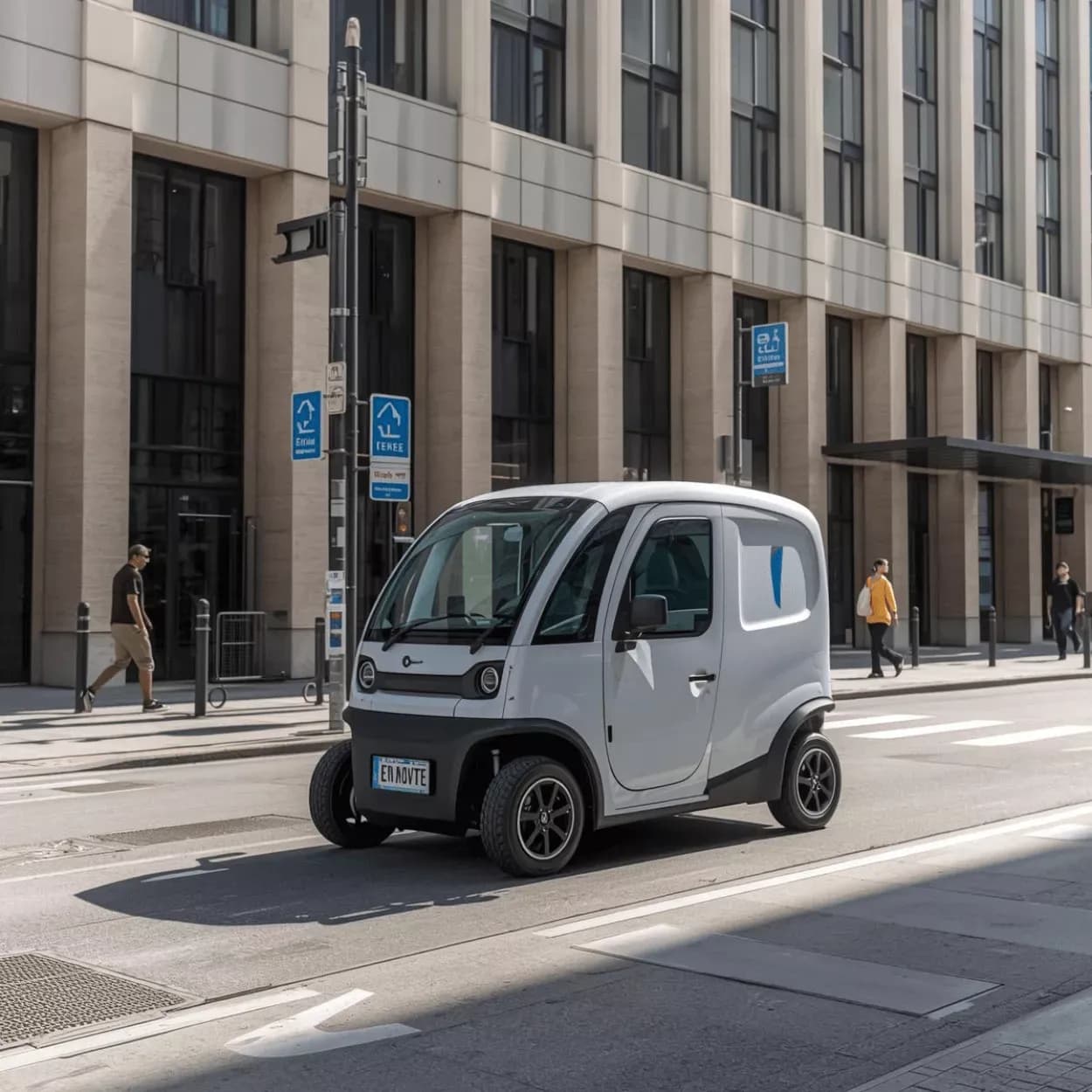
Support frequent short-range deliveries in dense areas. Light electric vehicles help teams move goods faster and reduce vehicle congestion.
imageUrban delivery
imageRetail replenishment
imageOn-site logistics
Managing Moving Assets

Operational Challenges in Last-Mile Mobility

image

Fragmented Fleet Visibility

Vehicles are constantly moving across zones, sites, or cities. Without real-time status and location data, operators struggle to know which assets are available, in use, or inactive.
image

Battery and Charging Coordination

Electric vehicles depend on timely charging. Poor visibility into battery levels leads to service gaps, unexpected downtime, and manual intervention to keep fleets operational.
image

Asset Misuse and Loss

Shared vehicles are exposed to improper parking, unauthorized use, or theft. Limited tracking and delayed alerts make it difficult to react before issues escalate.
Image for fleet resource management
image
Constraints Beyond the Fleet

Where Structure Matters Most

GPS tracking icon

Policy Enforcement in Shared Environments

Expanding fleets across locations or user groups often exposes gaps in reporting, access control, and operations. Processes that worked locally fail at scale.
Behavior monitoring icon

Scaling Without Process Breakage

Defining access rules, operating zones, and usage limits is one thing; enforcing them consistently is another. Manual oversight does not scale.
Automated reports icon

Inconsistent Usage Data

Without consistent trip and usage data, it becomes difficult to measure demand, plan fleet size, or justify expansion across locations.
Clarity Across Fleets

Built to Support Last-Mile Mobility Across Use Cases

image

Centralized Fleet Management and Visibility

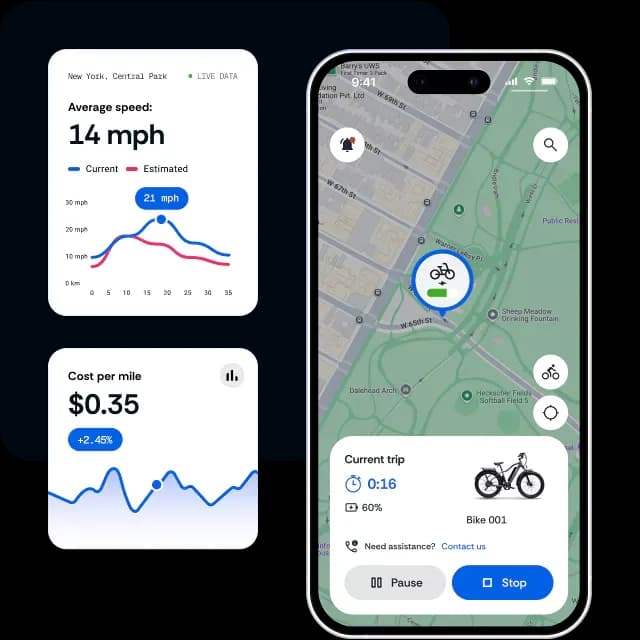
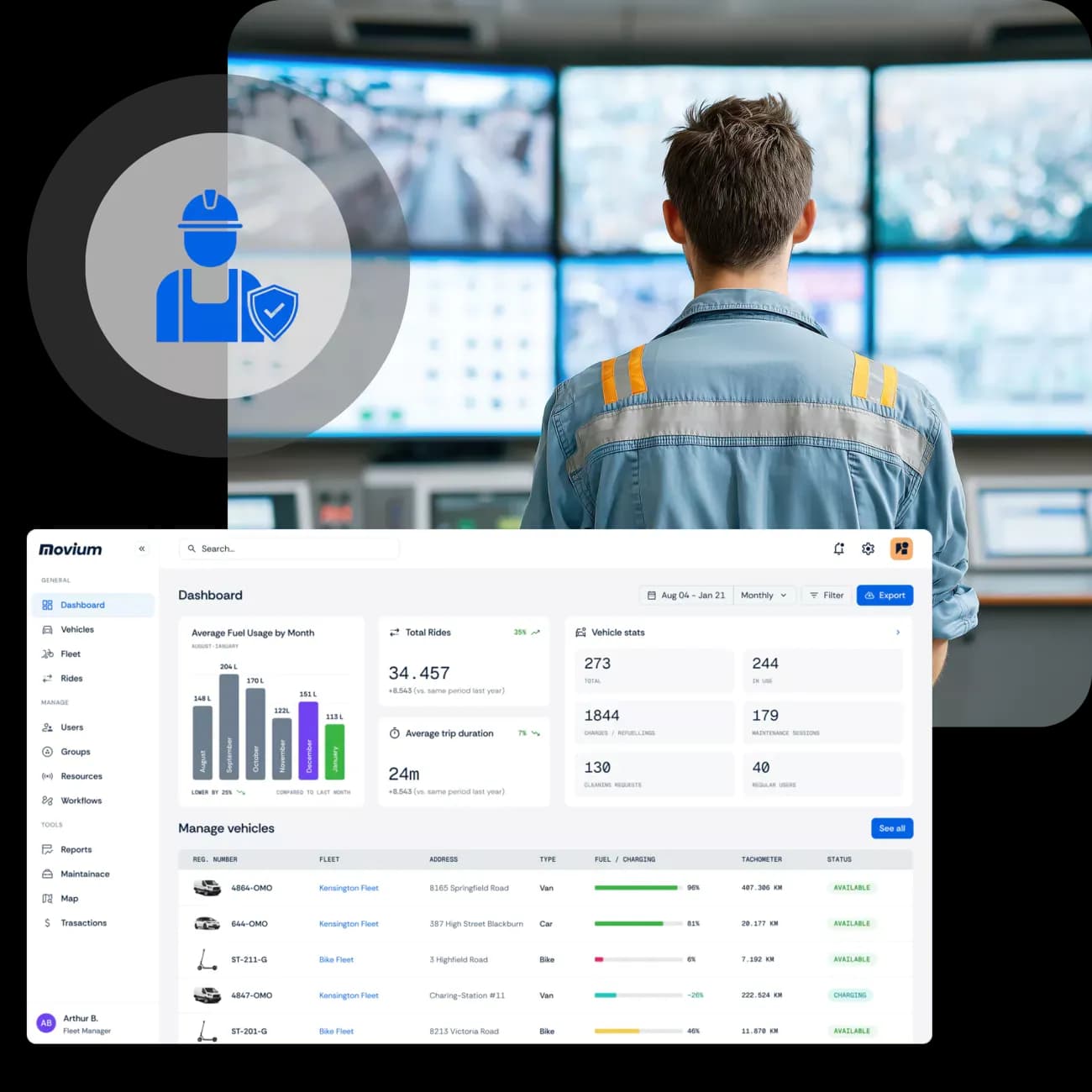
Track vehicle location, status, and availability in real time across all sites and use cases. One dashboard replaces fragmented tools and gives teams a clear, shared view of daily operations.
image

Structured Access and Usage Control

Manage who can use vehicles, when, and where. Booking rules, user roles, and operating zones help prevent misuse while keeping access simple for end users.
image

Automated Operations and Alerts

Replace manual coordination with automated notifications and workflows. Battery status, downtime, and usage events trigger actions before issues impact service.
image

Data-Driven Planning and Reporting

Turn daily usage data into actionable insights. Measure demand, utilization, and performance to plan fleet size, improve coverage, and support confident expansion.
Essentials for scalable mobility

What Makes Last-Mile Mobility Work in Real Environments

image

Vehicle Booking & Access

Allow users to reserve vehicles based on time, location, or role. Rules prevent overlaps and ensure fair, policy-compliant access.
image

Battery & Charging Monitoring

Track battery levels and charging status to reduce downtime and plan recharging before vehicles become unavailable.
image

Real-Time Fleet Tracking

Live location and status for all vehicles. Operators always know what is available, in use, or inactive across sites or zones.
image

Operating Zones & Geofencing

Define where vehicles can be used, parked, or returned. Helps enforce policies in shared and public environments.
image

Multi-Vehicle Support

Manage e-scooters, e-bikes, mobility scooters, and light electric vehicles in one system without separate tools.
image

Alerts & Notifications

Receive alerts for low battery, misuse, inactivity, or technical issues so teams can act before service is affected.
image

Analytics & Reporting

Analyze trips, utilization, and demand patterns. Use data to right-size fleets, plan expansion, and report performance.
image

User & Role Management

Assign permissions to employees, contractors, or public users. Keep operations organized as fleets and teams grow.
image

Payments & Cost Allocation

Support time-based pricing, subscriptions, or internal cost allocation for shared or public last-mile services.
how to get started

From First Call to Full Control with Movium's Fleet Management System

image

1. Book a discovery call

Let's connect to understand your unique fleet challenges and goals. Our team will guide you through key features, answer your questions, and explore the best-fit configuration for your business.
image

2. Receive a custom quote

Based on your fleet size, asset types, and system needs, we'll prepare a personalized proposal outlining your software package, hardware requirements (if any), and rollout timeline.
image

3. Install & Onboard

We coordinate hardware setup, integrations, and user access, whether remotely or on-site, ensuring everything is in place for a smooth launch. Your team receives full onboarding support and training
image

4. Track, Manage & Optimize

Once live, you can begin tracking vehicles, managing bookings, generating reports, and making data-informed decisions that reduce costs and boost efficiency, all from one centralized dashboard.

Frequently Asked Questions

What is Movium's fleet management system?

Movium's fleet management system is a cloud-based platform that helps businesses track, manage, and optimize all types of vehicles and assets, from cars and vans to e-bikes, scooters, and tools. It combines real-time GPS tracking, automated reporting, booking tools, and driver behavior insights into one intuitive dashboard. Built on a scalable SaaS architecture, Movium supports multi-asset operations across industries with flexible integrations, mobile access, and full operational visibility.

What types of vehicles are supported?

Do I need extra hardware?

Does the system offer real-time GPS updates?

Can I use this internationally?

How long does onboarding take?

contact us today

Go the Extra Mile. Together.

Movium helps you turn ideas into working services with the structure needed to grow.